Mold Inspection and Removal in Union Bridge, MD
Mold is assessed and removed from walls, ceilings and accessible cavities in Union Bridge. Call 24/7 to arrange your assessment and cleanup.
- Inspection before removal
- Moisture checks and containment
- Clear cleanup scope
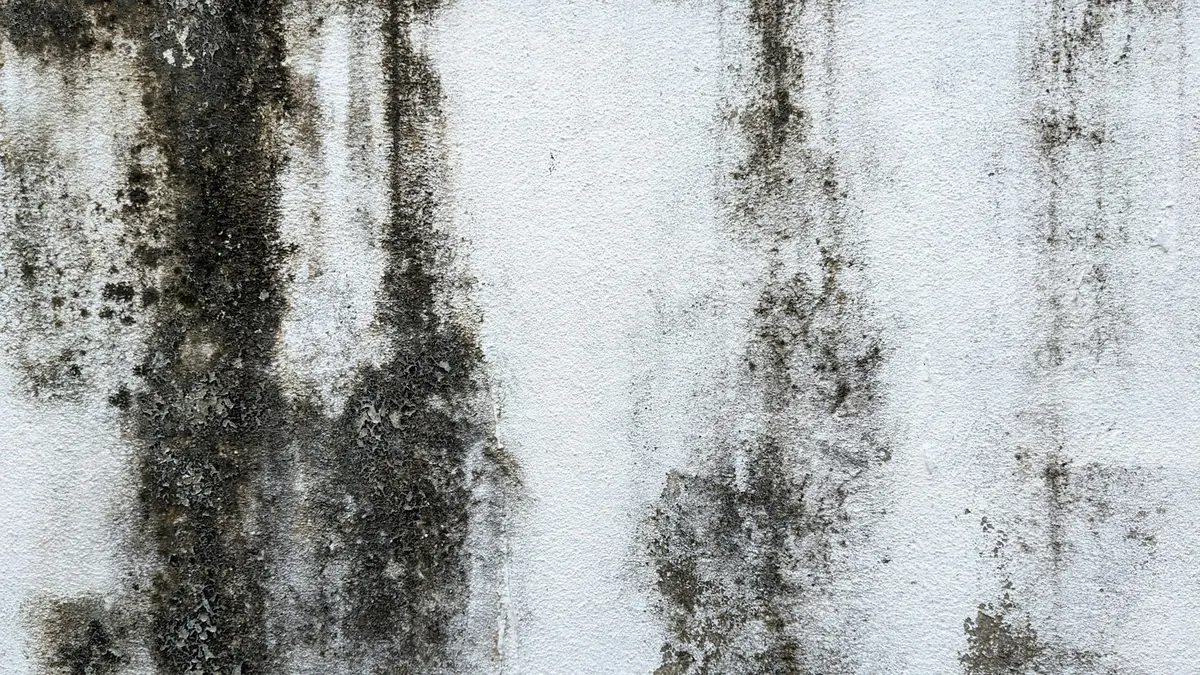
Union Bridge Services for Mold Inspection and Removal
You get a visual assessment, investigation of dampness and cleanup of flooring, walls, accessible framing and ceilings. Before removal begins, both the growth and moisture in materials are evaluated.
A thermal imaging camera reveals differences in temperature, but it cannot detect mold. Dampness is mapped using a moisture meter. Your report explains what could not be accessed and distinguishes visible growth from possible hidden damage.
Containment, drying, removal and cleaning are detailed in your written work scope. Repairs that are separate and moisture issues to correct are identified in the remediation plan. When a particular cleanup question can be answered by lab results, air or surfaces are sampled.
- Visual inspection and moisture readings
- Cleanup boundaries set by damage observed
- Contained removal of unsalvageable materials
- Retained surfaces cleaned with a HEPA vacuum
- Drying and post-remediation verification
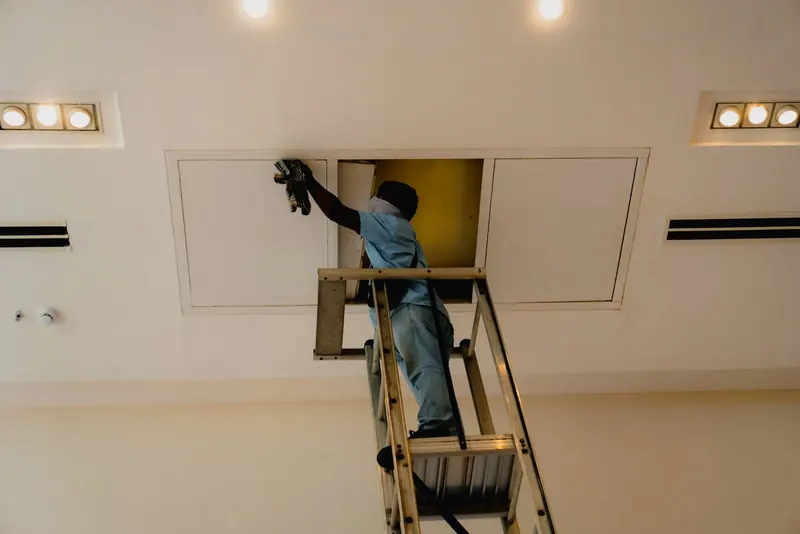
Union Bridge Warning Signs for Mold Assessment and Removal
Have visible damage and surrounding concealed areas assessed when your finishes stay damp, growth recurs or odors lack an explanation.
Musty Odor Without Visible Growth
A smell by cabinets or floors can occur with concealed moisture, but cannot establish mold's presence.
Mold Returning After Cleaning
An unresolved water source or untreated affected backing may explain recurring growth.
Damp Materials After a Leak
After a leak ends, damp framing, wet carpet pad or stained ceilings may still need assessment.
Multiple Surfaces With Visible Mold Growth
Patches on walls, ceilings or baseboards can accompany dampness beyond the visible area.
Soft Drywall or Swollen Trim
You may notice bubbling paint, swelling baseboards or crumbling wallboard where moisture has caused damage.
Steps in the Mold Removal Process for Greater Baltimore
Before removal, your inspection defines moisture fixes, the cleanup area and conditions for completion.
Visual Inspection and Mold Assessment
Assessment looks for water damage and growth in accessible cavities and finishes. Moisture readings and access limits form your inspection report.
Moisture Source and Cleanup Scope
An investigation of leaks, as well as condensation, aims to find the moisture source. Your remediation protocol specifies repairs and any testing along with removal and drying.
Containment Before Opening Materials
A containment barrier is made using poly sheeting. Protective equipment works with a HEPA air scrubber and negative air pressure to limit particles spreading during work.
Damaged Material Removal
Inside containment, moldy carpet pad, drywall and unsalvageable porous materials go into bags. Debris is taken out via a protected path.
Cleaning of Retained Surfaces
Surfaces you keep undergo appropriate surface cleaning plus HEPA vacuum cleaning. Cleaning remains necessary with antimicrobial treatment.
Controlled Drying and Final Cleaning
A dehumidifier works alongside controlled air movers to dry cleaned materials being retained. Final cleaning clears settled dust; moisture readings measure drying progress.
Verification of Completed Work
Cleaning, moisture corrections and drying undergo post-remediation verification. Specified clearance testing is carried out by an independent assessor to reduce conflict of interest.
Containment Removal and Repair Readiness
Completion criteria must be satisfied before containment is removed. Drying and verification precede installation of replacement finishes.
Your Mold Inspection and Removal Choice: Baltimore Mold Cleanup
Clear Mold Cleanup Boundaries
Your scope explains damage, removal limits and separate repairs before work begins.
Inspection Through Final Checks
Damaged materials are removed, retained surfaces cleaned and dried, and final checks completed before containment removal.
Moisture Before Removal
Your scope reflects growth and the water problem after assessment traces moisture ahead of cleanup.
Contained Work With HEPA Filtration
Containment and filtration match your affected area, with a protected debris route.
Calls Answered 24/7
You can use one number for assessment and cleanup throughout the metro, including weekends and nights.
What to Do Ahead of Mold Inspection in Carroll County
Until your assessment is arranged, do not disturb suspect materials.
- Limit incoming water. A fixture leak should be stopped only when you can do so safely.
- Leave surfaces intact. Leave moldy finishes unscraped, unsanded and attached.
- Keep suspect HVAC off. Wait for assessment before running equipment that might have mold inside.
- Keep the area clear. Prevent people and pets from approaching affected materials.
- Avoid wet electrical equipment. Stay away from water near outlets, wiring or appliances.
Mold Inspection and Removal Cost in Union Bridge
Fixr gives national ranges by job combination, with different scopes rather than additive fees or quotes for your location. Do not interpret the differing ranges as savings from adding testing to your job.
Inspection plus remediation, average home
$1,950 to $5,800 per jobSource: Fixr, Mold Remediation Cost (checked 2026-10-23)Inspection plus testing plus removal
$1,950 to $3,800 per jobSource: Fixr, Mold Inspection Cost (checked 2026-10-23)Inspection billed separately
$450 to $800 per inspectionSource: Fixr, Mold Remediation Cost (checked 2026-10-23)Why Mold Testing and Removal Cost Varies
- Access and containment needs
- Samples and lab fees
- Size of the affected area
- Moisture repairs and replacement finishes as separate work
- Material removal and disposal
- Drying and clearance testing
Your Assessment and Cleanup Price
These published national ranges are planning figures. Your on-site assessment defines the work and price before cleanup starts, including any separate source repairs or rebuilding.
Call (844) 352-3560 about costMold Inspection and Removal Service Area Across Greater Baltimore
Call (844) 352-3560 to arrange cleanup in Union Bridge or nearby communities. One number covers the metro.
Mold Inspection and Removal in Locations Near Union Bridge
ZIP codes
Frequently Asked Questions About Mold Inspection and Removal in Union Bridge
How much does mold testing and removal cost in Carroll County?
Your cost reflects affected materials and accessibility, plus inspection findings and any sampling necessary. Units and source labels remain attached to the national cost cards shown above. The scope for your work defines removal cost, inspection cost and separate repairs. A specific question about the work must be answered for testing to be included.
What has to come out during removal?
Mold affecting drywall, ceiling tiles and carpet may make removal necessary. Sound framing and accessible non-porous surfaces can often be cleaned and dried. Your inspection establishes these boundaries ahead of demolition. If additional damage appears when a cavity is opened, the scope changes ahead of more removal.
In Union Bridge, how much time do inspection and cleanup need?
Damage and access are assessed before your schedule is set. Opening walls, drying framing and taking out carpet differ from surface cleaning. Drying progress is measured through moisture readings. The timing of containment dismantling and finish replacement depends on required sampling, final checks and leak repairs.
Are you able to stay at the property through cleanup?
Staying may be possible when your occupied rooms are kept separate from the area being worked on. That choice depends on shared ventilation, household needs and access to rooms you need. Before work starts, your assessment sets the restrictions. Temporary relocation is necessary during cleanup on some projects.
Will mold return after the cleanup?
Leaving the water problem unresolved can mean mold returns. Before removal starts, your assessment investigates condensation and leaks. Affected surfaces undergo cleaning and drying; moisture corrections tackle the conditions that support growth. Humidity control and finished repairs help keep those conditions from recurring.
Do you need mold testing ahead of removal or afterward?
Under guidance from EPA, visible mold can often go without sampling. Your affected area is established through moisture checks and inspection. Testing is used when it answers a specific question; there is no federal limit for mold levels indoors. If clearance testing is required, a separate inspector assesses the finished work without involvement from the removal company.
Is correcting the water problem part of the work?
The moisture source is investigated during assessment, and corrections are defined before cleanup finishes. Your scope must list roof, plumbing or ventilation repairs for those repairs to be included. Repairs outside the cleanup are identified so an unresolved leak does not remain a threat to cleaned surfaces.
Insurance and Mold Cleanup in Maryland
Your homeowners insurance decision depends on what caused the moisture, exclusions in the policy, the deductible and mold limits. Coverage can differ between removal, inspection and replacement finishes.
Safety for Your Mold Assessment and Cleanup in Greater Baltimore
Containing the work limits how dust and mold spores spread to your occupied rooms.
Assessing Mold Risk Goes Beyond Color
CDC notes that color cannot indicate the risk posed by mold.
Contaminated water
With mold from sewage or contaminated water, have a professional assess and clean the area.
Mold and sensitive occupants
CDC notes that, in some people, mold can trigger asthma and allergy symptoms.
Mold spores during removal
If you disturb growth, particles may spread beyond the area of work.
Cleanup scope: EPA says areas under about 10 square feet can often be cleaned by homeowners. Seek professional assistance for larger areas or HVAC involvement.
Carroll County Mold-Affected Materials: What Gets Cleaned or Removed
What you can clean or must remove depends on material condition and accessibility.
Non-Porous Surfaces
- Sound glass, tile and metal often allow cleaning, but assessment of backing remains separate.
Porous Materials
- Disposal may be necessary for moldy drywall, ceiling tiles and carpet. You can often dry and clean wood framing that remains sound.
Belongings
- Cleaning or disposal of fabrics, stored items and paper depends on separate assessments.
How Long Mold Inspection and Cleanup Take in Carroll County
Drying and agreed completion checks shape your schedule, along with access and the amount removed.
- Assessment: Hidden areas, along with any required lab results, influence when your scope becomes ready.
- Removal and drying: Newly discovered damage can increase the work needed, with moisture readings guiding how long drying takes.
- Completion: Before rebuilding and containment removal, remaining dampness or unfinished cleaning receives attention.
After Mold Cleanup: Moisture Control
If your odor persists, remaining moisture and damage that cannot be reached are investigated. Fragrance cannot fix the cause. Smell by itself does not establish that cleanup is complete.
Mold may return when your water problem goes unresolved, even if a dehumidifier is used instead of fixing leaks. EPA recommends an ideal indoor relative humidity of 30 to 50 percent and keeping it below 60 percent.
Understanding Your Maryland Mold Assessment Requirements
State Mold Requirements
Maryland does not have a working statewide license for mold remediators. A 2008 law created one under the Maryland Home Improvement Commission, but it was never put into operation and later expired.
EPA Guidelines for Drying
Dry water-damaged areas and items within 24 to 48 hours to prevent mold growth.
Repair Permits
Your included electrical, plumbing or structural repairs affect which permits are required.
State Mold Information
The Maryland Department of the Environment leads the state's mold information effort under the 2025 law, working with the Department of Health and other agencies. The law directs it to build a mold website and pamphlet and to write mold assessment and remediation standards by June 2027.
State guidance: Maryland General Assembly, SB 856 (2025) Fiscal and Policy Note, Maryland Tenant Mold Protection Act; Maryland General Assembly, Chapter 539 of 2025 (SB 856) enrolled text; Maryland General Assembly, SB 856 bill page (Approved by the Governor, Chapter 539); Maryland Workgroup on Mold Standards and Remediation report (HB 976 of 2023, submitted 2024)
Related Services and Next Steps
Start Your Mold Inspection and Removal in Union Bridge
Call 24/7 to arrange your assessment. Your cleanup starts with the affected surfaces, moisture source and access to your home.