Closet Mold Removal in Howard Park, MD
Mold removed from walls, shelves and flooring in your Howard Park closet, with stored belongings assessed separately. Call 24/7 to arrange your closet assessment and cleanup.
- Closet moisture source checked
- Contained removal and HEPA cleaning
- Clothes and shelves assessed separately
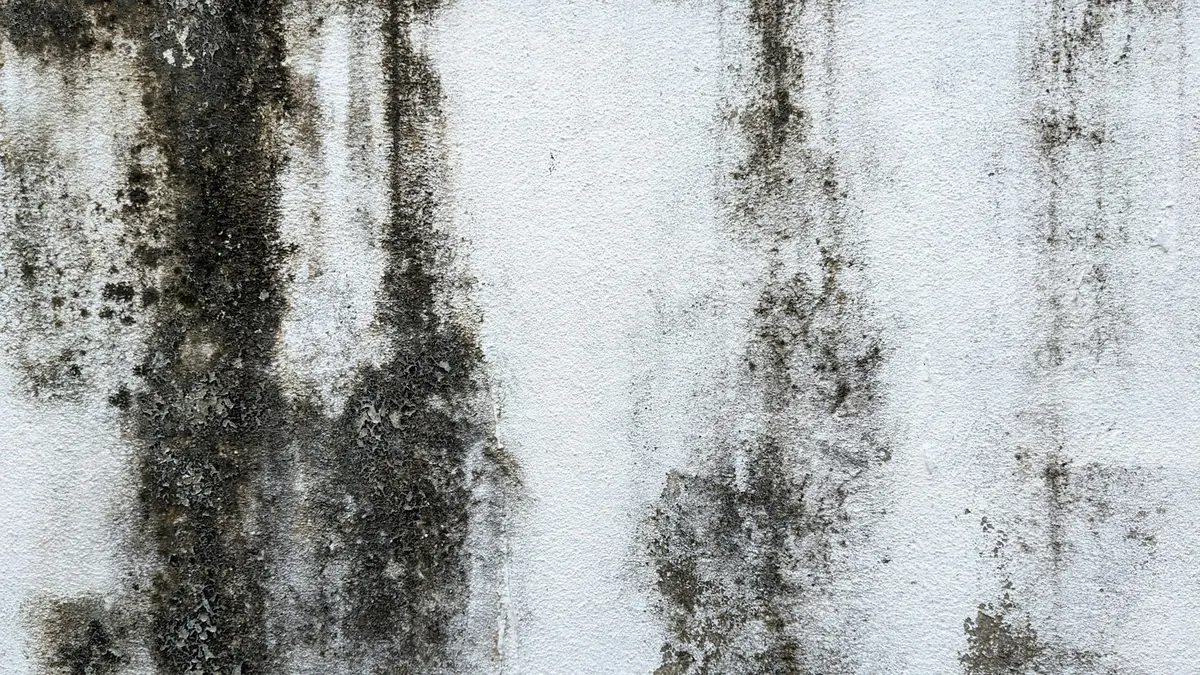
Howard Park Closet Mold Removal Services
Bedroom, linen and walk-in closet cleanup includes the affected ceiling, walls, flooring and shelves. Your stored possessions need their own assessment so affected belongings do not return to surfaces after cleaning.
Cleaning and drying preserve sound shelving and wood in your closet. Swollen fiberboard, damaged carpet pad or drywall may have to come out. Hidden dampness at the baseboard may require opening built-ins to reach it.
Leaks, condensation and damp clothes are assessed as possible sources. Your written scope of work defines cleanup and separate repairs. A utility closet with suspected HVAC contamination needs equipment assessment too.
- Closet wall and ceiling cleaning
- Built-in shelving and floor assessment
- Clothes, shoes and stored items assessment
- Contained drywall removal and debris bagging
- Checking moisture, drying, then verifying results
When You Need Closet Mold Removal
Recurring spots, damp storage or a musty smell can signal hidden moisture.
Mold on a Closet Wall
You notice visible mold growth, water stains or peeling paint where clothes hang or along a corner on an exterior wall.
Damp Clothes and Shoes
Even belongings put away dry can become spotted or feel damp among your stored belongings.
Swollen Closet Shelves
You notice staining behind a built-in organizer while the edges of shelves become soft or swollen.
Growth Beneath Stored Boxes
On your closet floor, growth, damage or dampness affects cardboard boxes or the carpet below.
Musty Bedroom Closet
A persistent musty smell remains after clean laundry is removed, including near the floor or ceiling.
Your Closet Mold Removal Process
Assessment starts your closet cleanup; removal and drying lead to final verification.
Closet Assessment
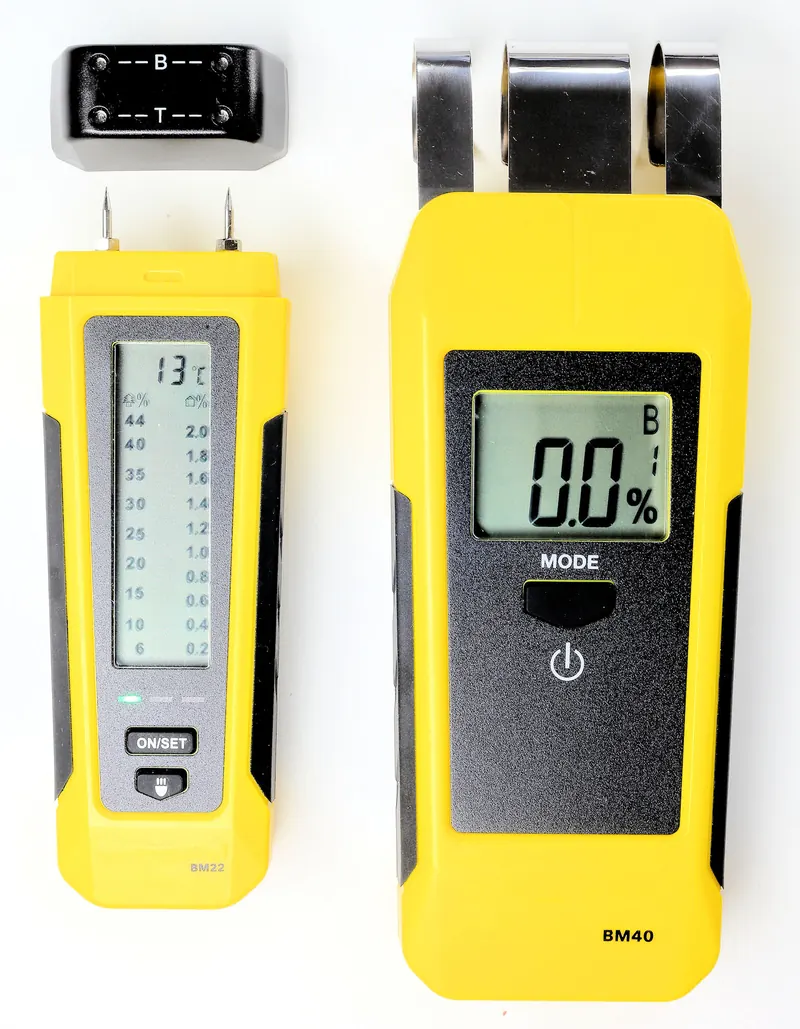
Walls, shelves, flooring and belongings are assessed. Your moisture meter readings map dampness; closer checks may follow thermal imaging camera findings, which cannot identify mold.
Moisture Source and Scope
Leaks, condensation and closet ventilation are assessed. The scope for your work specifies surface cleaning, contents tasks and any necessary separate leak repair.
Closet Containment
Poly sheeting forms a containment barrier. Where your scope warrants, particle spread is limited using a HEPA air scrubber, protective equipment and negative air pressure.
Damaged Material Removal
Unsalvageable drywall, carpet pad and shelving are bagged inside containment. The removal route stays protected as clothing and footwear are separated for cleaning decisions.
Closet Surface Cleaning
Sound wood, rods and non-porous surfaces receive suitable cleaning and HEPA vacuum treatment. Physical cleaning remains necessary even when antimicrobial treatment is appropriate as a supplement.
Controlled Closet Drying
Drying following removal and cleaning uses a dehumidifier alongside air movers. Remaining wood and wall cavities undergo moisture readings ahead of replacement of materials.
Post-Remediation Check
Before containment removal, cleaning and drying occur along with the agreed post-remediation verification. Necessary repairs precede the return of clean, dry belongings; an independent assessor carries out clearance testing if specified.
Why Baltimore Mold Cleanup for Your Closet Mold Removal
Removal Through Final Checks
Damaged materials are removed, sound surfaces are cleaned and dried, and verification precedes containment removal.
Clear Scope for Walls and Belongings
Your closet surface work and repairs are distinguished from contents cleaning in the scope before removal.
Contained Closet Work
For your closet and the removal path through neighboring rooms, containment is paired with suitable HEPA filtration.
Closet Moisture First
Your cleanup targets visible growth and its source by assessing condensation, damp storage and leaks.
Calls Answered 24/7
Start your closet assessment through one number throughout the metro, with nights and weekends included.
Before Closet Cleanup in Baltimore (city) County
Arrange your assessment with a call and leave mold-affected materials alone.
- Limit closet access. Do not let children or pets approach visible growth.
- Leave shelving in place. Leave moldy surfaces undisturbed: no sanding, tear out or dry-brushing.
- Keep belongings contained. Leave affected clothing unshaken, and avoid moving loose moldy boxes through rooms in your home.
- Avoid blowing air on growth. Keep fans from blowing into your closet, and leave HVAC equipment off if contamination is suspected.
- Address fresh water damage. For prevention of mold growth, dry water-damaged areas and items within 24 to 48 hours, as EPA advises.
Understanding Closet Mold Removal Cost in Howard Park, MD
These figures compare national mold remediation costs rather than price your closet job. Your cost depends on the area affected, measured in square feet, belongings in storage and access behind shelving. Floor size alone cannot define the cleanup.
Mold covering around 50 square feet
$500 to $1,500 per jobSource: Fixr, Mold Remediation Cost (checked 2026-10-23)Professional rate for areas over about 10 square feet
$10 to $30 for each square footSource: Fixr, Mold Remediation Cost (checked 2026-10-23)Typical national range, average $3,500
$1,500 to $9,000 per jobSource: Fixr, Mold Remediation Cost (checked 2026-10-23)What Changes Your Closet Cleanup Cost
- Containment and drying equipment
- Built-in shelving removal
- Separate contents cleaning
- Affected square footage and access
- Moisture repairs and rebuilding
Your Price for Cleaning Up Closet Mold
These published national ranges are planning figures. Your on-site assessment defines the work and price before cleanup starts, including any separate source repairs or rebuilding.
Call (844) 352-3560 about costCloset Mold Removal Service Area Across Greater Baltimore
Call (844) 352-3560 to arrange cleanup in Howard Park or nearby communities. One number covers the metro.
Answers to Closet Mold Removal Questions in Howard Park
After your closet cleanup, could mold grow again?
If dampness persists, mold can grow again. Leaks and damp storage are traced along with condensation during your assessment before removal. Cleanup includes identifying necessary moisture corrections and drying the surfaces after cleaning. Plumbing or ventilation repairs are included only when listed in your scope. Your closet must be ready before clean, dry belongings return.
Can moldy clothes and shoes be saved?
Some belongings can be cleaned, but every item needs assessment based on material and condition. Fabric care labels guide treatment, while leather and delicate items may need specialist cleaning. Work on closet surfaces is listed apart from contents tasks in your scope. Unsalvageable items are separated, and cleaned belongings stay apart from affected storage.
Before or after cleaning your closet, is testing necessary?
EPA guidance says air sampling is often unnecessary when you have visible mold. Inspection, together with checking moisture, determines the area for cleanup. Checks of cleaning and drying follow removal and precede taking down containment. If clearance testing is specified, an independent assessor performs it. Indoor mold levels have no limit established federally.
Is staying home possible during bedroom closet cleanup?
If rooms you occupy stay separate from the debris path and work zone, you may be able to remain. Bedroom access may be restricted for you throughout containment, removal and drying. Your closet's position, ventilation shared with other rooms and household needs shape access plans before work and determine whether relocation is necessary temporarily.
In Howard Park, how long will cleaning your closet take?
Scheduling follows checks of your stored belongings, built-in fittings and surfaces. Cleaning accessible shelving involves less work than opening walls and drying a cavity. Moisture readings guide drying time. Your return of everything to storage can hinge on finish repairs, contents cleaning and replacing shelving.
Is removal necessary for closet shelves and drywall?
Cleaning followed by drying is often possible for sound shelving and reachable wood. Swollen fiberboard, damaged carpet pad and moldy drywall may have to come out. Built-in panels are opened when necessary to reach affected material behind them. Your scope separates removal from replacement shelves, paint and other finish repairs before work begins.
What does closet cleanup cost in Baltimore (city) County?
Assessment identifies affected flooring, belongings, walls and shelving to determine your price. The cards above list costs for mold remediation nationally, with each range's units and source. Contents cleaning, damage hidden from view and access behind fitted organizers may alter your total. You learn the scope and price before any work starts.
Insurance for Closet Mold Cleanup in Maryland
Your homeowners policy terms, deductible, mold coverage limits and cause of moisture determine coverage. Decisions for damaged possessions can differ from those for cleanup of the building itself.
Greater Baltimore Home Safety During Closet Mold Cleanup
Disturbing stored possessions, finishes and shelving can spread mold spores; containment limits that spread.
Hidden Closet Damage
Moisture readings locate dampness, not mold; suspected growth behind built-ins needs further assessment.
Mold Color
CDC says color does not tell you how risky a mold is.
Stored Belongings
Particles can spread when you move loose moldy cardboard and clothes.
Contaminated Water
EPA advises professional help when contaminated water, including mold from sewage, is involved.
Cleanup scope: You can often clean an area under about 10 square feet yourself, EPA says. Seek professional help for extensive water damage, larger affected areas or involvement of HVAC.
Baltimore (city) County Closet Mold Cleanup: Materials to Clean or Remove
Condition guides which materials you keep. Affected possessions are assessed separately.
Non-porous surfaces
- Cleaning followed by drying covers wire shelving, sound plastic containers and metal rods.
Closet finishes and framing
- You may be able to clean sound wood; removal may be needed for swollen fiberboard, moldy drywall and carpet.
Clothes and keepsakes
- Specialist assessment may be needed for delicate items, leather and papers; fabric care labels plus condition inform cleaning choices.
Timing Your Closet Mold Cleanup in Baltimore (city) County
Your timing depends on removal and drying, cleaning belongings, then repairs after remediation.
- Built-in access: Damage extending behind panels increases the work involved in shelving removal.
- Drying: Moisture readings determine when wall cavities and framing are ready for repairs.
- Returning belongings: Specialist contents cleaning may finish after the closet itself is ready.
Closet Odor and Humidity in Greater Baltimore
Checks trace your musty odor around shelf surfaces, flooring edges and hidden wet spots. Scented products cannot fix the cause.
EPA recommends indoor relative humidity below 60 percent, ideally 30 to 50 percent. A closet door vent or dehumidifier does not replace leak repair.
Maryland Requirements for Closet Mold Cleanup
Closet Work Requirements
Maryland does not have a working statewide license for mold remediators. A 2008 law created one under the Maryland Home Improvement Commission, but it was never put into operation and later expired.
Building Repairs
The included building, plumbing or electrical tasks determine which permits are required.
Rental Closets
Renters can send written notice of mold to their landlord or to the local agency that enforces housing and livability codes, which varies by county or city. The 2025 law says a landlord must then do a mold assessment within 15 days and remediate within 45 days after the assessment if mold is found.
State Mold Information
The Maryland Department of the Environment leads the state's mold information effort under the 2025 law, working with the Department of Health and other agencies. The law directs it to build a mold website and pamphlet and to write mold assessment and remediation standards by June 2027.
State guidance: Maryland General Assembly, SB 856 (2025) Fiscal and Policy Note, Maryland Tenant Mold Protection Act; Maryland General Assembly, Chapter 539 of 2025 (SB 856) enrolled text; Maryland General Assembly, SB 856 bill page (Approved by the Governor, Chapter 539); Maryland Workgroup on Mold Standards and Remediation report (HB 976 of 2023, submitted 2024)
Related Services and Next Steps
Start Your Closet Mold Removal in Howard Park
Call 24/7 to arrange your assessment. Your cleanup starts with the affected surfaces, moisture source and access to your home.