Dry Ice and Soda Blasting Mold Removal in Fulton, MD
Dry ice or soda blasting removes mold from suitable exposed wood framing in your Fulton property. Call 24/7 to start your assessment and define the cleanup scope.
- Surface suitability checked
- Containment and HEPA dust control
- Moisture source assessed first
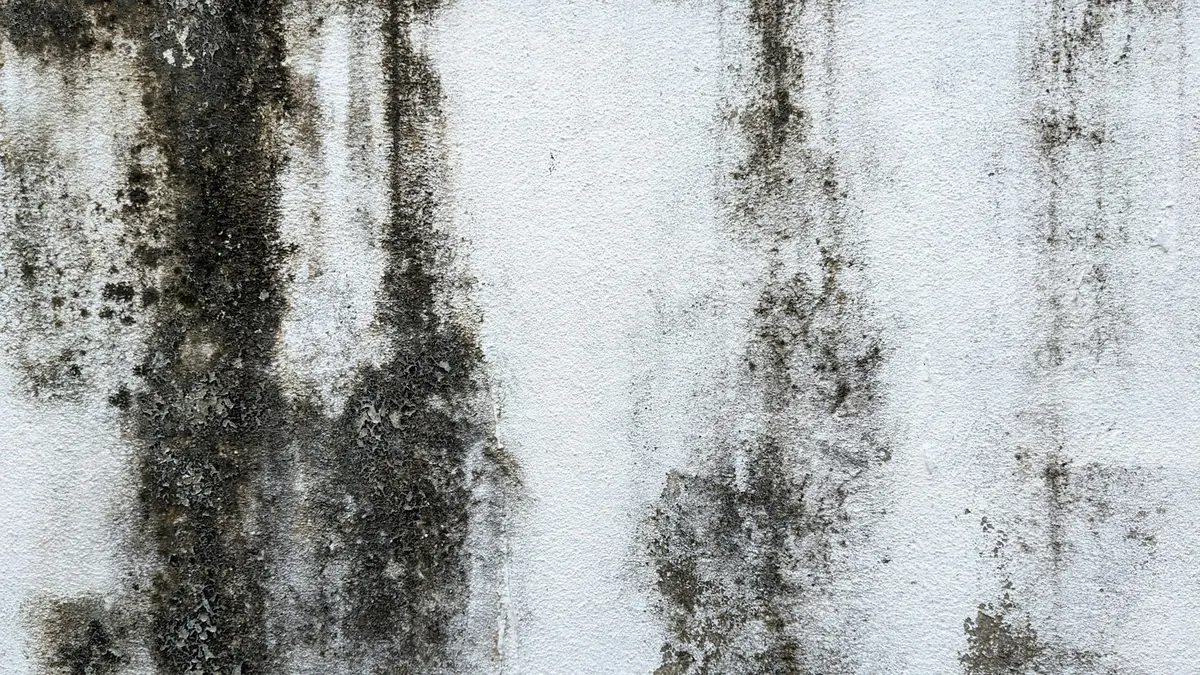
Your Dry Ice and Soda Blasting Mold Removal Services in Fulton
Your cleanup includes reachable growth on exposed wall studs and sound rafters in attics or joists in basements. Media blasting suitability depends on the condition of those surfaces.
Baking soda residue needs collecting along with dust and mold removed from your wood. Both methods deliver media using compressed air, but dry ice's CO2 pellets convert into gas.
Before work begins, your written work scope sets out cleaning, containment and removal, plus moisture corrections and rebuilding. Closed cavities remain beyond blasting's reach, and decayed structural timber still needs repair.
- Evaluating the Sheathing and Framing Left Exposed
- Trying Dry Ice or Soda on Surfaces
- Contained cleaning with HEPA filtration
- Debris and spent media collection
- Drying and post-remediation verification
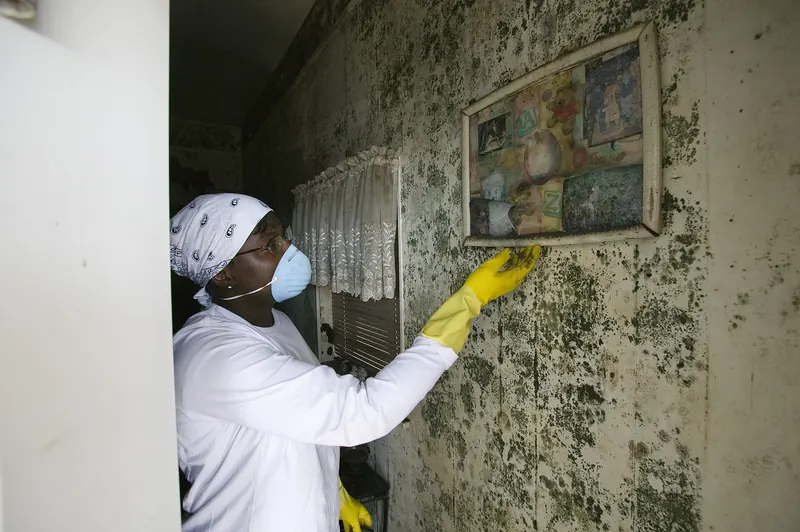
Recognizing a Need for Dry Ice Surface Cleaning in Greater Baltimore
Visible growth on exposed framing calls for assessment. These signs can make blasting worth considering.
Mold Around Joist Corners
You find growth tracing joints and irregular wood surfaces that are difficult to wipe.
Returning Basement Spots
Growth returns on beams while dampness or water intrusion continues.
Growth Along Attic Rafters
Patches cover exposed rafters or roof decking that may still be sound.
Growth Exposed by Drywall Removal
Your opened wall has affected studs to clean before replacement finishes go in.
How Your Fulton Dry Ice and Soda Cleaning Proceeds
You begin with assessment, proceed through contained removal and cleaning, then finish with drying and verification.
Assess Wood and Access
Mapping records affected materials alongside visible mold growth. Dampness is measured with a moisture meter; a thermal imaging camera detects temperature variations rather than mold.
Define Moisture Corrections and Scope
Cleaning follows an assessment of condensation and leaks. Your scope lists cleanup separately from rebuilding and moisture repairs.
Set Dry Ice Work Controls
Poly sheeting, negative air pressure and HEPA filtration control dust. Ventilation, gas monitoring and equipment protection are established before dry ice use.
Remove Unsalvageable Materials
Damaged drywall and insulation are bagged inside containment. Deteriorated wood is assessed for needed repairs.
Surface Trials for Dry Ice or Soda Blasting
A preliminary test patch determines the settings and media for cleaning. Sensitive surfaces unsuitable for blasting are cleaned using a different assessed method.
Collect Media and Debris
A HEPA vacuum collects removed growth and dust. Accessible recesses are cleared of soda residue; no spent media remains from dry ice.
Dry and Finish Cleaning
As needed, drying uses controlled air movers alongside a dehumidifier. Moisture readings monitor progress toward assessment and final cleaning.
Verify Before Removing Containment
Cleanliness is assessed alongside moisture content. An independent assessor performs clearance testing when specified, then containment comes down after required checks.
Why Choose Baltimore Mold Cleanup for Dry Ice and Soda Blasting Mold Removal
Clear Scope and Contained Work
Work begins with surfaces and containment defined in your scope, along with HEPA filtration and media-specific controls.
Dry Ice Suitability Checked First
Wood condition and a surface trial determine your cleaning method.
Calls Answered 24/7
One number starts your framing cleanup across the metro, day or night.
Removal Through Final Checks
Debris collection, drying and verification follow blasting before containment comes down.
What to Do Ahead of Dry Ice Cleaning in Howard County
Do not disturb moldy framing; arrange your assessment by phone.
- Stop incoming water if safe. Avoid electrical equipment near wet areas.
- Keep people and pets away. Leave the affected area clear of household activity.
- Leave growth in place. Wait for containment before you begin brushing, sanding or blasting.
- Keep affected HVAC off. Keep fans pointed away from growth and leave potentially mold-contaminated equipment switched off.
- Limit fresh water damage. EPA advises drying water-damaged areas and items within 24 to 48 hours to prevent mold growth.
Your Fulton Costs for Dry Ice and Soda Cleaning
Pricing depends on your scope after assessment. The figures from Fixr use different units. A general blasting rate does not equal a complete mold remediation price.
Dry ice treatment for mold
$1,400 to $2,000 per jobSource: Fixr, Mold Remediation Cost (checked 2026-10-23)Dry ice blasting in general, labor included, not mold specific
$3.5 to $5 for each square footSource: Fixr, Sandblasting Cost (dry ice blasting section, not mold specific) (checked 2026-10-23)General soda blasting, without mold-specific pricing
$45 to $75 per hourSource: Fixr, Sandblasting Cost (dry ice blasting section, not mold specific) (checked 2026-10-23)Your Dry Ice Mold Removal Cost: What Makes a Difference?
- Removing damaged material, with repairs treated separately
- Media, debris collection and disposal
- Attic or crawl space access
- Containment, ventilation and HEPA filtration
- Affected surface area and condition
Your Price for Blasting Plus Cleanup
These published national ranges are planning figures. Your on-site assessment defines the work and price before cleanup starts, including any separate source repairs or rebuilding.
Call (844) 352-3560 about costDry Ice and Soda Blasting Mold Removal Service Area Across Greater Baltimore
Call (844) 352-3560 to arrange cleanup in Fulton or nearby communities. One number covers the metro.
Dry Ice and Soda Blasting Mold Removal in Locations Near Fulton
ZIP codes
What People Ask About Dry Ice and Soda Blasting Mold Removal in Fulton
Will dry ice blasting replace damaged wood or drywall?
Blasting is for cleaning suitable exposed surfaces, not for replacing materials that are damaged. To uncover framing, removal may be needed for drywall with mold and insulation that cannot be salvaged. Softened or decayed wood must be assessed for repair needs. Your scope separates surface cleaning from structural repairs, replacement insulation and finish work before cleanup begins.
Can you stay home during blasting?
Staying may be possible if your occupied rooms stay apart from both the debris route and work area. Gas controls and household needs influence that choice alongside noise and shared ventilation. Your assessment sets access limits ahead of the work. Depending on the layout, you may need to stay elsewhere through cleaning and all required checks.
How do dry ice and soda blasting differ?
As dry ice pellets turn gaseous during cleaning, dislodged contamination is left behind to be collected. After soda blasting, both debris and used baking soda remain. Both methods need containment and final cleanup. Your assessed surface and test area guide the method choice for the wood, access, expected finish and ventilation.
What should you expect blasting cleanup cost to be in Howard County?
The price reflects your wood condition and access, plus the surface area and full extent of cleanup. Above, the sourced cards separate general blasting rates from mold treatment, preserving the different units for each. Material removal and ventilation, together with drying and containment, can affect the overall price. Your price and scope are explained ahead of the work.
How long does dry ice cleanup take in Fulton?
Your schedule is set after the framing, access route and moisture conditions are assessed. Large surface areas, insulation damage and restricted hatch openings add to the work needed ahead of blasting. Debris collection and drying follow surface cleaning. Agreed verification, together with moisture readings, establishes when repairs can start and containment can be removed.
After wood blasting, could mold come back?
If dampness remains unresolved, you may see mold return. Identifying the dampness source starts your cleanup, along with establishing what repairs are needed in addition to removal. Sound wood is cleaned and dried before new finishes go in. For roof, plumbing and ventilation repairs, inclusion depends on being listed in your scope.
Should testing take place before dry ice cleaning or afterward?
Under EPA guidance, visible mold frequently requires no air sampling. Inspection and moisture checks define the cleanup area. Before removing containment after blasting, checks cover cleanliness, debris removal and drying. When specified, clearance testing is carried out by an independent assessor. There is no federal limit for mold levels indoors.
Dry Ice Cleanup and Insurance in Maryland
Homeowners insurance coverage depends on moisture cause, exclusions, mold limits and deductible. Cleanup and repairs may receive different decisions.
Dry Ice Work in Maryland: Precautions to Take
Controls in your work plan address the chosen media's hazards as well as airborne debris.
Surface Protection
Cleaning results are tested on a trial area. Wiring, mechanical equipment and finishes are protected from the blasting stream.
Dry Ice Gas Controls
Carbon dioxide comes from dry ice. Plans for your work area address ventilation and gas monitoring because this gas passes through HEPA filtration.
Dry Ice Particle Control
Containment works with a HEPA air scrubber to curb the dispersal of dust and mold spores while blasting.
Worker Protection
For airborne debris, compressed air, cold media and noise, protective equipment is used.
Cleanup scope: According to EPA, homeowners can often clean areas smaller than about 10 square feet. That is not approval for DIY blasting. Mold from sewage or contaminated water, HVAC systems and larger areas require professional help.
Materials Cleaned During Dry Ice Work in Howard County
Your sound framing often remains, while damaged porous material may have to go.
Wood surfaces
- Assessment comes before cleaning and drying suitable studs, sheathing, rafters and joists.
Damaged porous materials
- Removal covers unsalvageable insulation and moldy drywall. Decayed structural wood needs repair assessment.
Non-porous surfaces
- A suitable cleaning method or protection is used for nearby glass and metal.
Your Howard County Dry Ice Cleanup Schedule
From preparation to final verification, all work fits into your schedule.
- Access: Tight hatches and the paths for hoses influence setup.
- Material condition: Exposed decay can add repairs.
- Completion: Moisture readings and final checks determine readiness for rebuilding.
Addressing Moisture and Odor After Dry Ice Cleaning in Greater Baltimore
Musty odor is investigated with moisture checks. Blasting cannot reach closed cavities; fragrance does not remove hidden growth.
EPA advises an ideal indoor relative humidity range of 30 to 50 percent and a level below 60 percent. You help prevent returning mold by completing leak repairs and controlling moisture.
Requirements for Your Dry Ice Work in Maryland
Removal Requirements
Maryland does not have a working statewide license for mold remediators. A 2008 law created one under the Maryland Home Improvement Commission, but it was never put into operation and later expired.
Repair Permits
Permit requirements depend on wall opening, structural replacement and other building work included.
Rental Properties
Renters can send written notice of mold to their landlord or to the local agency that enforces housing and livability codes, which varies by county or city. The 2025 law says a landlord must then do a mold assessment within 15 days and remediate within 45 days after the assessment if mold is found.
State Mold Information
The Maryland Department of the Environment leads the state's mold information effort under the 2025 law, working with the Department of Health and other agencies. The law directs it to build a mold website and pamphlet and to write mold assessment and remediation standards by June 2027.
State guidance: Maryland General Assembly, SB 856 (2025) Fiscal and Policy Note, Maryland Tenant Mold Protection Act; Maryland General Assembly, Chapter 539 of 2025 (SB 856) enrolled text; Maryland General Assembly, SB 856 bill page (Approved by the Governor, Chapter 539); Maryland Workgroup on Mold Standards and Remediation report (HB 976 of 2023, submitted 2024)
Related Services and Next Steps
Start Your Dry Ice and Soda Blasting Mold Removal in Fulton
Call 24/7 to arrange your assessment. Your cleanup starts with the affected surfaces, moisture source and access to your home.